Black pepper steak
Black pepper steak
Black pepper steak 黑椒牛排
📋 Ingredient List
| Ingredient | Amount |
|---|---|
| tomatoes | |
| red wine | 1 small cup |
🧂 Seasonings
- 黑胡椒
- peanut oil
- onion
- salt
👨🍳 Cooking Steps
Step 1: Wash the beef (all parts of meat are acceptable, there is a popular science lesson at the end of the recipe), drain the water, and use kitchen paper to absorb the blood. If the steak bought in the market is very thick, you can beat it with the back of a knife to make the beef softer. Frozen beef should be defrosted from the freezer to the refrigerator half a day in advance. Take it out of the refrigerator half an hour before cooking the steak and let it warm to room temperature. Rapid thawing will cause the water in the beef to be lost. Slow thawing can ensure that the beef is tender and juicy. Many students ask, should I wash the marinated beef bought in the supermarket? If you believe in the responsibilities, ethics and hygienic standards of suppliers and management and operators in all aspects of the mall, believe in the due diligence of the regulatory authorities, believe in your own stomach, and don’t believe in your own cooking skills, then there is no need to wash it. I will not buy marinated beef: 1. This is how to judge whether the beef is fresh, 2. I don’t know the recipe of the marinade, and the knowledge taught in middle school chemistry cannot let you know what compounds can be used to make the beef so tender. 3. A good piece of beef is like a fresh girl who only needs a little makeup, and the heavy makeup will ruin her. Only black pepper and salt can reflect the deliciousness of a good steak.
Step 2: Sprinkle black pepper on both sides of the steak (preferably freshly ground black pepper, which is more fragrant. You can also use it without black pepper powder.), a little salt (because you will be making sauce later, so you can add less salt) and spread evenly, then pour olive oil (peanut oil, corn oil can also be used) and spread evenly. When I make steak, I basically fry it directly after applying oil, and never marinate it, because I think marinating it with salty seasonings will definitely cause the beef to lose more or less water content, which will affect the “tender and juicy” effect of the steak later. Why use olive oil? 1. Olive oil has a high ignition point and is not easy to burn, which is healthier. 2. Olive oil has a light taste and will not affect the taste of beef.
Step 3: This is medium to medium rare
Step 4: Let the fried beef rest on the plate for five minutes. Part of the meat juice will flow out (if you are making sauce, don’t pour it), and part of it will be absorbed by the beef. The next step is to make the sauce (if you are afraid of trouble, and the beef is imported and tastes good, it doesn’t matter whether you make the sauce or not). Use the remaining oil from frying the steak (if it was fried before, use a clean pan and add a small piece of butter), add the onion powder and fry until fragrant, add the tomatoes powder (the steak tastes best when it is hot, so the more chopped the tomatoes are, the shorter the cooking time will be. It is better to break them with a blender), and cook until tender. Pour in red wine, add cracked black pepper and a small amount of salt. Mix in the gravy from the steak and the sauce is ready.
Step 5: If you like the mood, you can boil some broccoli, red radish, cut a few slices of tomatoes, or fry some potato strips and put them on the plate.
Step 6: Pair it with the sauce, and the simple black pepper steak is ready!
Step 7: Enjoy!
Step 8: Popular Science Lesson 2: “Grain-fed” and “Grass-fed” [Grain-fed cattle] are fed with grains [Grain-fed cattle] are fed only with pasture. Because they feed more food, absorb more nutrients, and have lower time and feed costs, grain-fed cattle grow faster than grass-fed cattle, have more fat, are softer and juicier in taste, have richer beef aroma, and are cheaper. Grass-fed beef is also leaner than grain-fed beef, with higher egg whites, a simpler taste, and a higher price. Therefore, grass-fed beef is more respected by healthy people, and it is also more difficult to cook than grain-fed beef (it has more lean meat and is easier to make “chai”). There is no distinction between the two. When choosing ingredients, it depends on which flavor you prefer and your cooking skills.
Step 9: Popular science lesson 3: [Beef deconstruction diagram] Make a front and rear cut from the middle of the cow body. The front half includes: shoulder blade (Chuck), front breast (Brisket), rib and rib (Rib). The rear half includes: front waist and spine (Loin), rear waist and spine (Sirloin), and rear leg (Round). The parts suitable for making steak are usually chosen from the rib to the sirloin. The meat has less tendons and is tender.
Step 10: The following is a detailed explanation of the four common steak parts in the order of [meat quality from tender to tough] and [beef flavor from light to strong].
Step 11: [Filet] Tenderloin Filet/Filet Mignon A small piece of meat inside the front loin (Loin), also called “tenderloin” or “tenderloin”, because it is only one piece of meat on each cow, so it is expensive. However, as long as it is a real, fresh filet, it is worth the price. After all, it is the part of the cow that receives the least amount of exercise, and the meat is really tender and tender. At the same time, filet is also very lean, which is actually a healthier choice, but you have to pay attention when cooking: less oil means less meat juice, and it will be overcooked if the heat is too high. Generally, medium rare is enough.
Step 12: ………………………………………………………………
Step 13: [T-bone] Porterhouse Steak is taken from between the front lumbar ridge (Loin) and the back lumbar ridge (Sirloin), with part of the tenderloin on one side and top sirloin on the other. It is named after a T-shaped beef bone that is retained when dividing. This type of steak is the most cost-effective. The filet is soft and tender while the sirloin is slightly chewy. You can enjoy two levels of steak with one order! The top sirloin is also called New York Strip in the United States and can be cooked and sold separately. Because it is tougher than filet, T-bone steak is generally medium-rare.
Step 14: ………………………………………………………………
Step 15: [Sirloin] New York Strip The meat on both sides of the sirloin spine. The top sirloin “New Yorker” (Top Sirloin) has a more tender taste, but the outer rib meat is not bad either. It has both oily and tender tendons, is delicate and plump, sweet and juicy, and has a satisfying chewing feel. Because the meat in this part is rich in gravy, the degree of ripeness is more flexible. Usually four to six medium rare is fine.
Step 16: ………………………………………………………………
Step 17: [Rib-eye] Taken from the ribs between the 6th and 12th ribs, it is a fragrant and juicy “bone-edge meat”. Although the texture is not as delicate as the loin, the bite is great, mainly because of the beautiful “marbling” oil, the juice is plump and the tendons are chewy than sirloin, and more flavorful than filet. The rib eye is plump enough, so it can be medium rare to medium rare.
Step 18: ………………………………………………………………
Step 19: Popular Science Lesson 4: Steak Maturity. Many people think that steak that is either fully cooked is “raw” or “bloody”, which Chinese people are not used to eating. But friends who have ordered well-done steak must know that what we think of as “well-done” basically means “well-done” when it comes to steak. So here is a little science knowledge - the [blood color] of steak is not the same as [blood water]. Raw steaks go through the process of bleeding before being divided, so it is unlikely that there will be a “blood” mixture including plasma, blood cells, and lymphocytes in the beef. 3. The pink “bloody” color in medium-rare steak is actually a kind of egg whites in muscle tissue - myrosin. Because it contains heme, it looks red. Maybe some friends have something to say: Even if it’s not blood, it looks like blood and it’s hard to swallow QAQ! Well, if egg whites are soluble in gravy, the result of frying the steak until no trace of blood is visible is to squeeze out all the delicious gravy… As a tasteful foodie, do you choose to tolerate the false visual impact, or sacrifice the rare real deliciousness? Over-frying can produce carcinogens! (Reprinted from Eating and Drinking DreamWorks)
Step 20: Final advice: Cooking is risky, so please be careful when choosing recipes! There is absolutely no guarantee that this recipe will not burn the steak…
💡 Pro Tips
Many cooking friends have asked questions about the sauce. I have pasted the answers below for your reference: The amount of various ingredients in the sauce can be added according to your own preferences. The taste will not be the same. Try more and find out the taste you like best. Because the amount of tomatoes is small, it won’t have much of an impact, it’s mainly thickening. The main function of onions is to enhance flavor, and the main function of black pepper is to enhance flavor. There are many ways to make black pepper sauce. Most of the black pepper juices bought in the market are soy sauce, starch, black pepper, and a lot of MSG and other additives, so I never use and rarely make sauces that rely entirely on soy sauce, oyster sauce, etc. There are also some white sauces that use too much butter and cream. I don’t think they are healthy enough and rarely make them.
🍽 More Recipes You'll Love
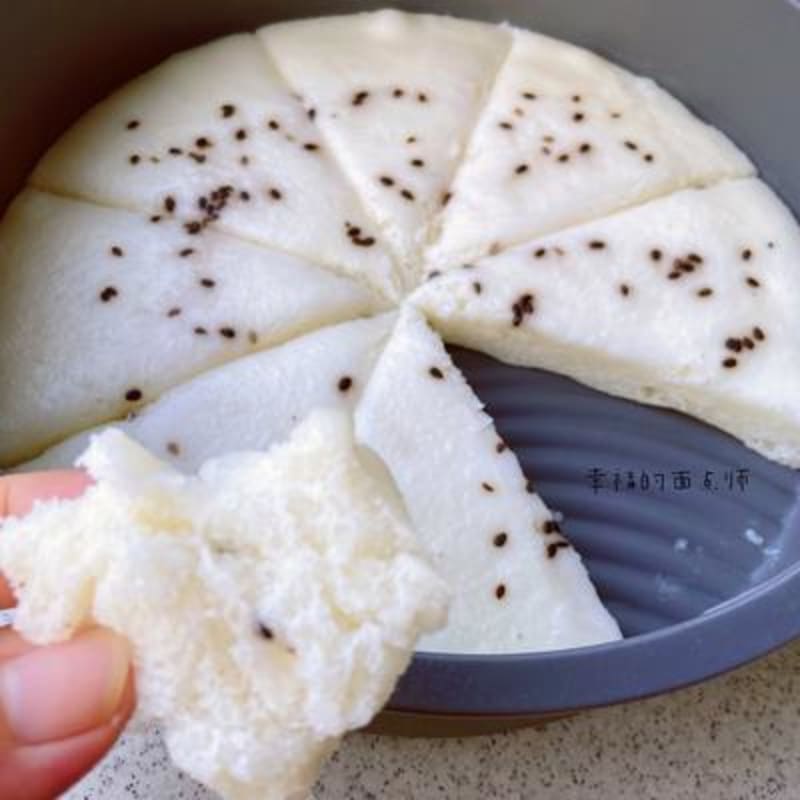
Black sesame rice bread balls
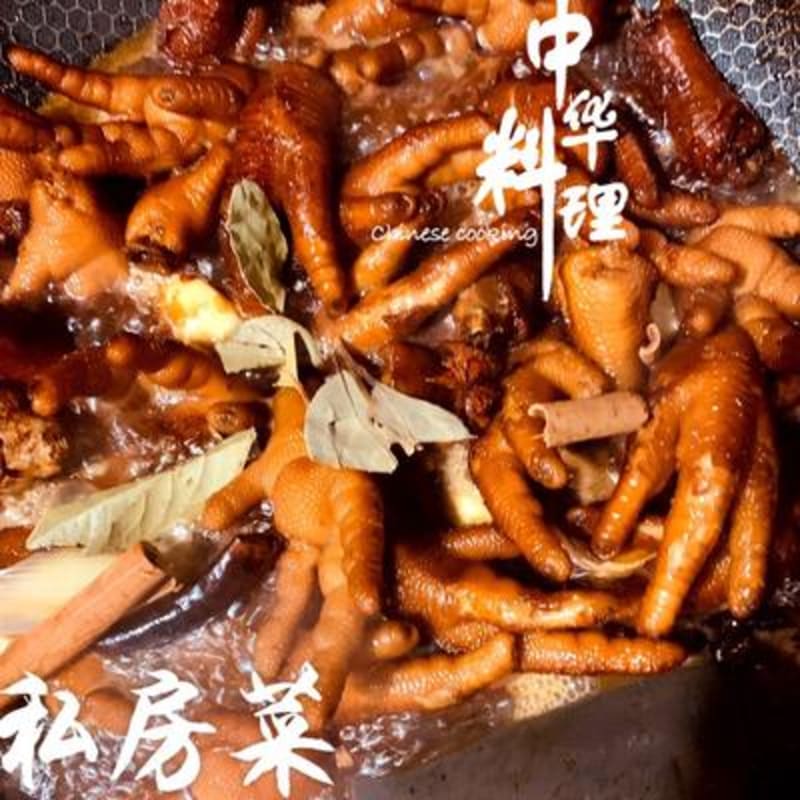
Braised chicken feet
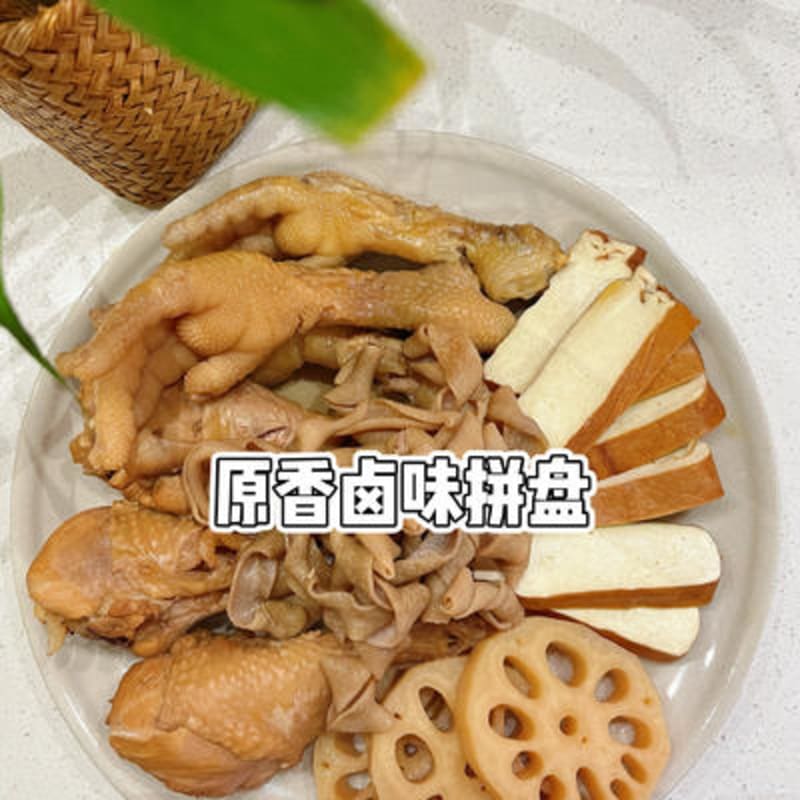
Braised food
Pancakes
0 Difficulty Grilled Banana
After countless failures, I finally succeeded in making
After drinking it, I dont want to go to the store to
Air fryer-salt and pepper rice crispy rice
Ancient sour plum soup
Anti-hair loss, black hair, and kidney-strengthening
Apricot jam, boiled bowl of apricots in sugar water
Authentic recipe Reproduction of Guangzhou Restaurant
Authentic Singapore barley water
Beef
Being robbed of walnut cake by elders